

The property record
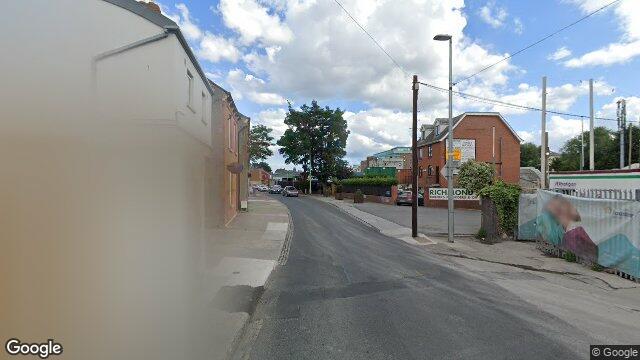
265 Richmond Road
Dublin 3 / Ballybough / D03A095
Last Sale Price
Nearby Properties
16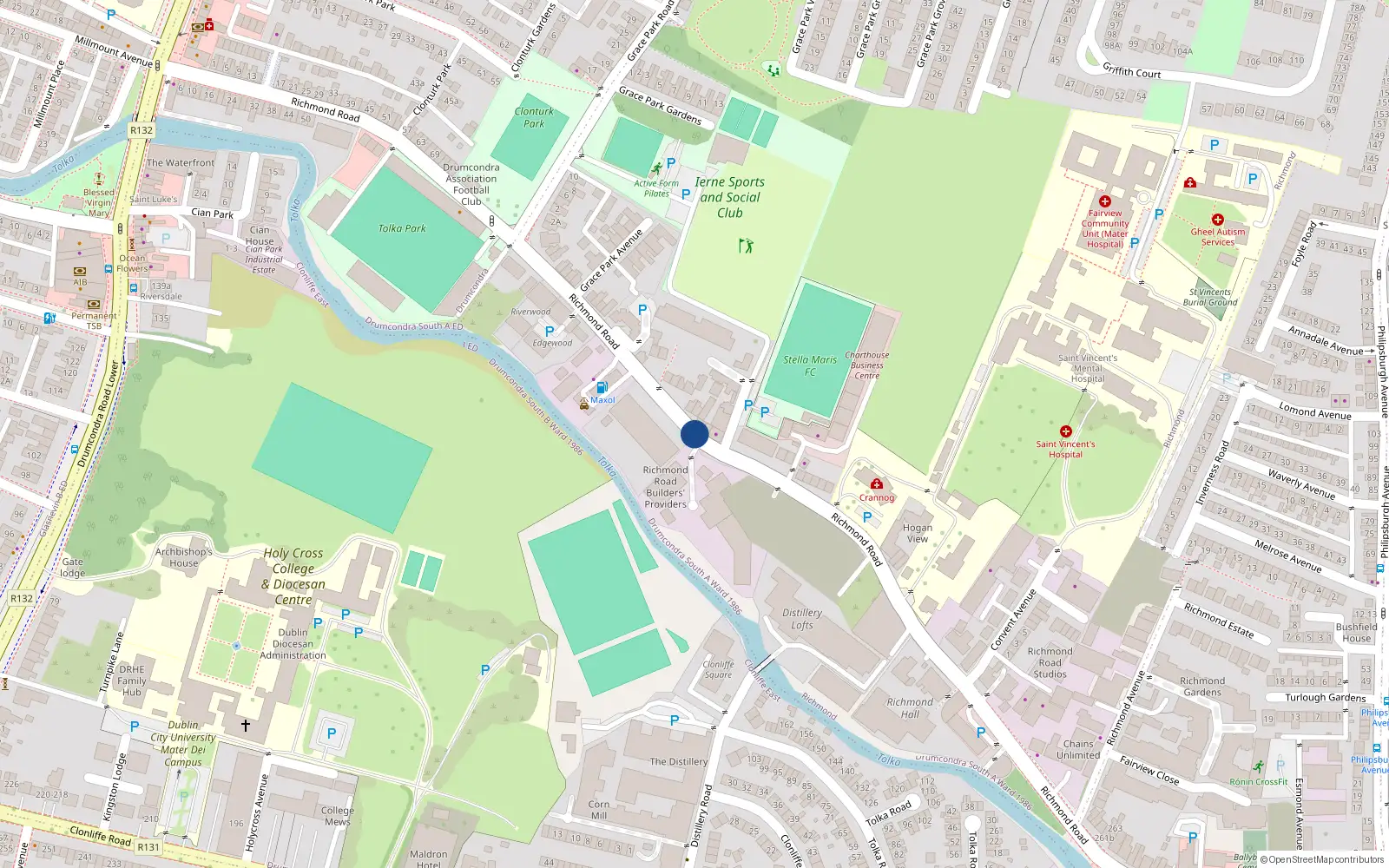
Sale History
Overall: +89.6% from €211,000 to €400,000 ( → )
Price History
Price Intelligence
This property has been sold 2 times since 9 Jul 2015. The price has increased by +89.6% from €211,000 to €400,000. That works out to an annualised return of +57.9% over 1.4 years.
At €400,000, 265 Richmond Road last sold 35.6% above the Richmond Road street median of €295,000 (based on 18 recorded sales). Compared to Ballybough overall (median €285,000, 104 sales), 265 Richmond Road sits 40.4% above the area average.
Repeat-sale properties on Richmond Road show a median investment growth rate of +38.5% per year over 8.0 years (2013 to 2021, 2 repeat-sale properties).
What did 265 Richmond Road last sell for?
265 Richmond Road last sold for €400,000 on 13 Dec 2016.
How many times has 265 Richmond Road been sold?
265 Richmond Road has been sold 2 times between 9 Jul 2015 and 13 Dec 2016. The price increased by 89.6% over that period.
How does 265 Richmond Road compare to others near Richmond Road?
At €400,000, 265 Richmond Road last sold 35.6% above the Richmond Road street median of €295,000 (based on 18 recorded sales).
How does 265 Richmond Road compare to the rest of Ballybough?
Compared to Ballybough (median €285,000, 104 sales), 265 Richmond Road sits 40.4% above the area average.
What is the investment growth rate on Richmond Road?
Using properties on Richmond Road with at least two recorded sales, the median annual growth rate is +38.5% per year over 8.0 years (2013 to 2021, 2 repeat-sale properties). How this is calculated.
Growth metrics use repeat-sale properties only. Methodology.